
Exploring the psychology behind casino games and player behavior insights
The Allure of Anticipation
The thrill of entering a casino is palpable, enveloping players in an atmosphere thick with expectation and excitement. Casino games are designed to stimulate the senses and create a magnetic pull that draws people in. As players engage with slot machines, card tables, or roulette wheels, the anticipation of winning acts like a powerful drug, elevating their mood and triggering dopamine release in the brain. This chemical rush can create an addictive cycle where the desire for more can outweigh the rational awareness of the odds.
A prime user experience enhancement is found in how casinos structure their environments. From the flashing lights to the soft music playing in the background, each element serves to heighten the experience, making it more immersive. As a result, players often lose track of time, caught up in the dopamine-fueled cycle of hope and exhilaration. This intricate design extends beyond just the games themselves; it’s about crafting an entire ecosystem where players feel like they are part of something larger than themselves, amplifying both excitement and spending.
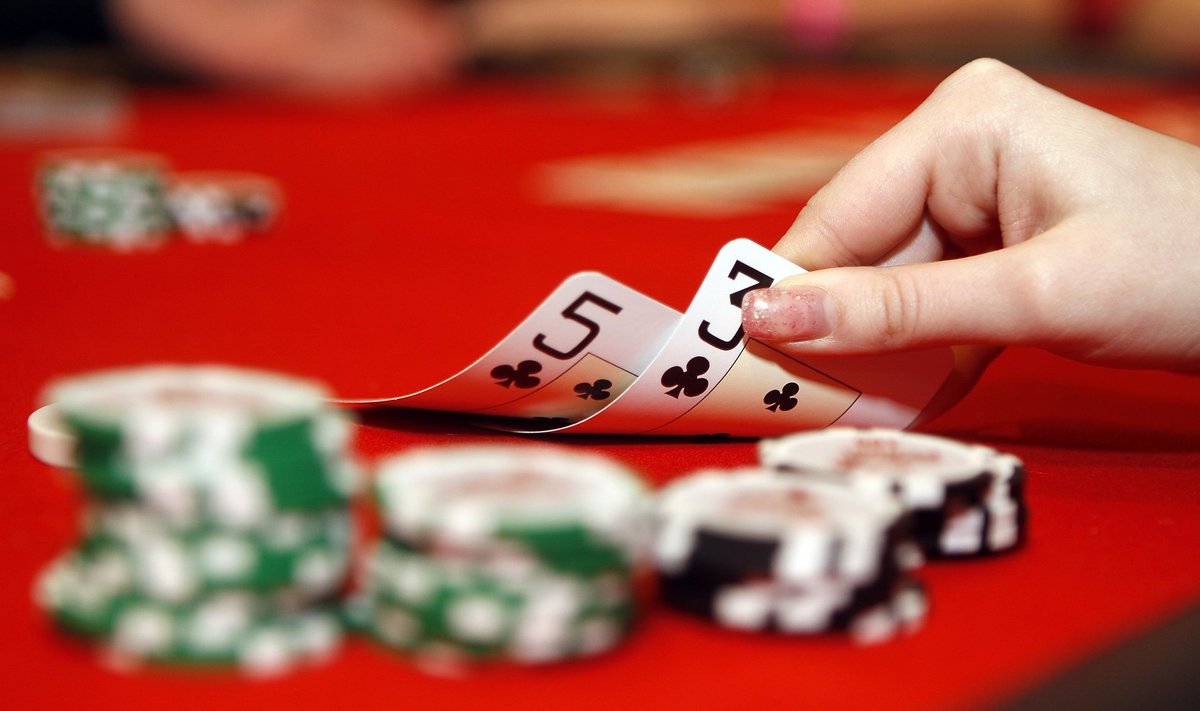
The psychology of gambling is also deeply rooted in the dynamics of risk and reward. Many players are drawn to the idea of high stakes and the potential for significant gains. This inherently creates a thrilling tension—what if this time, they could beat the odds? Slot machines are particularly adept at exploiting these feelings; their design often includes near-misses, which keep players believing that a win is just around the corner. This heightened sense of potential leads gamers to revisit, sometimes even when their wallets are already depleted.
Add to this the fact that casinos utilize promotional strategies, like bonuses and rewards, to heighten these feelings. Such incentives not only draw players into the casino but also encourage them to spend more time engaging with various games. The illusion of winning, combined with these enticing offers, continues to feed players’ desires, convincing them to chase the elusive jackpot. It’s a delicate dance between risk and the thrilling promise of reward that often leads to deeper engagement and, ultimately, increased spending.
Social Influences in Gaming
The Role of Technology in Modern Gaming
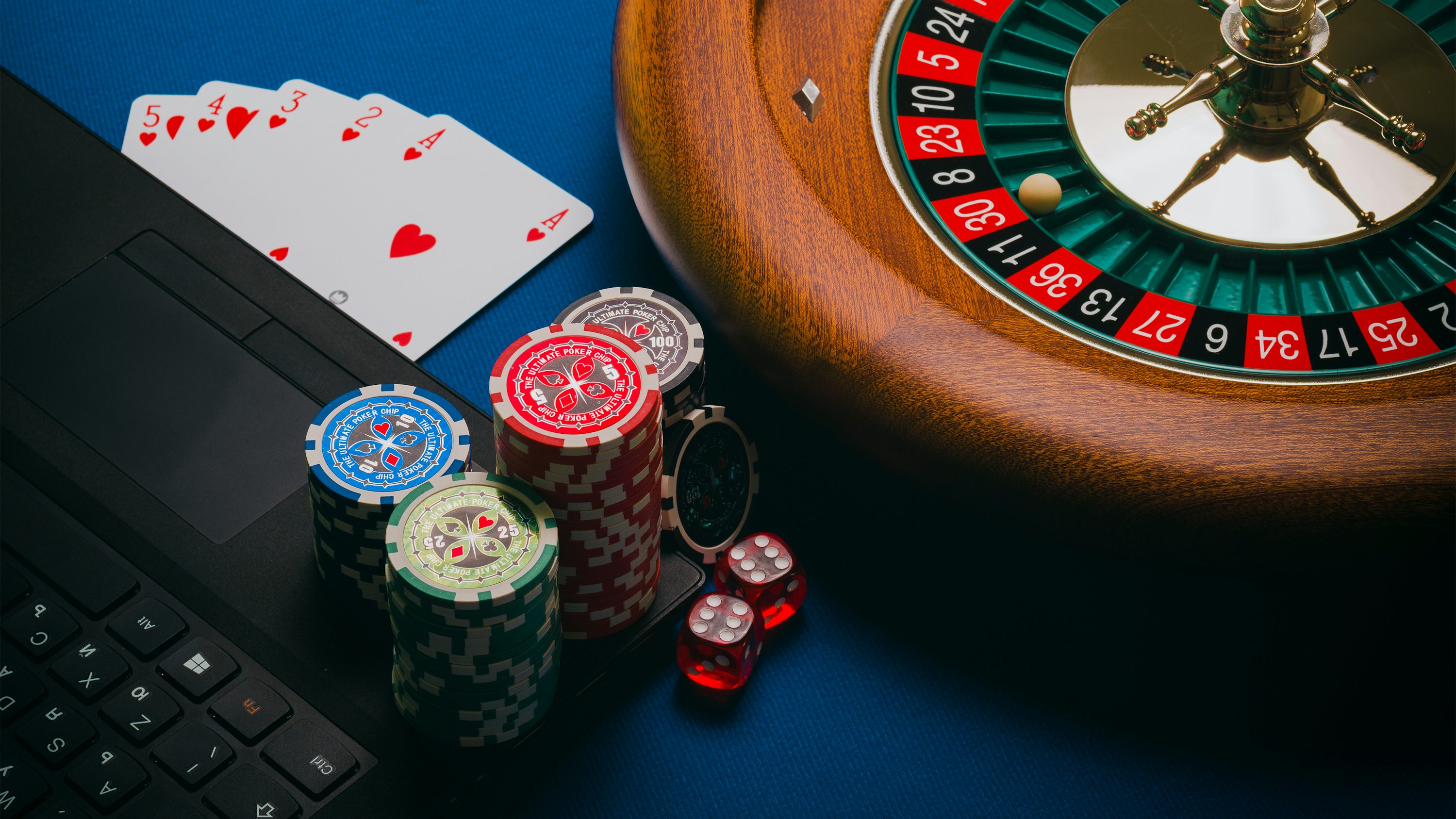
With the advent of technology, the landscape of casino gaming has dramatically changed. The rise of online gambling platforms has enabled greater accessibility, allowing players to engage in games from the comfort of their own homes. These platforms employ advanced algorithms to keep players engaged and increase retention rates, utilizing techniques grounded in behavioral psychology. Moreover, virtual reality casinos are beginning to emerge, creating immersive environments that mimic traditional gaming experiences with incredible realism.
Such innovations not only broaden the audience but also introduce new factors that can influence player behavior. Features like real-time chat, social integration, and gamification elements create highly engaging experiences that keep players coming back for more. As technology continues to evolve, so does the understanding of player psychology, opening opportunities for even more refined approaches to enhance user engagement and satisfaction.
Conclusion and Website Insights
This exploration of gambling psychology reveals a complex interplay of anticipation, risk, social influences, and technological advancements. Understanding these elements can empower casino operators to create engaging environments that keep players returning while also serving to protect vulnerable individuals who may be at risk for problematic gambling behaviors.
For those interested in engaging with stable and responsible gaming options, visit a casino accepting neosurf. These platforms ensure a secure and supportive environment for everyone, promoting responsible gaming practices while still capturing the thrilling essence of casino gaming.